CenFlo turns 20
Mount Dora fest is bigger than ever
 Exclusive to MeierMovies, January 22, 2026
The Central Florida Film Festival (CenFlo) is turning 20 years old by showing more films (from more submissions) than ever before, January 23-25 on three screens at Epic Theatres in Mount Dora, Florida.
The event will screen 181 films (25 features and 156 shorts) picked from 246 submissions. Those numbers are up from the 175 films and 214 submissions last year. Crunching those numbers reveals that the festival, which is known for its high acceptance rate, has gotten a tad more selective.
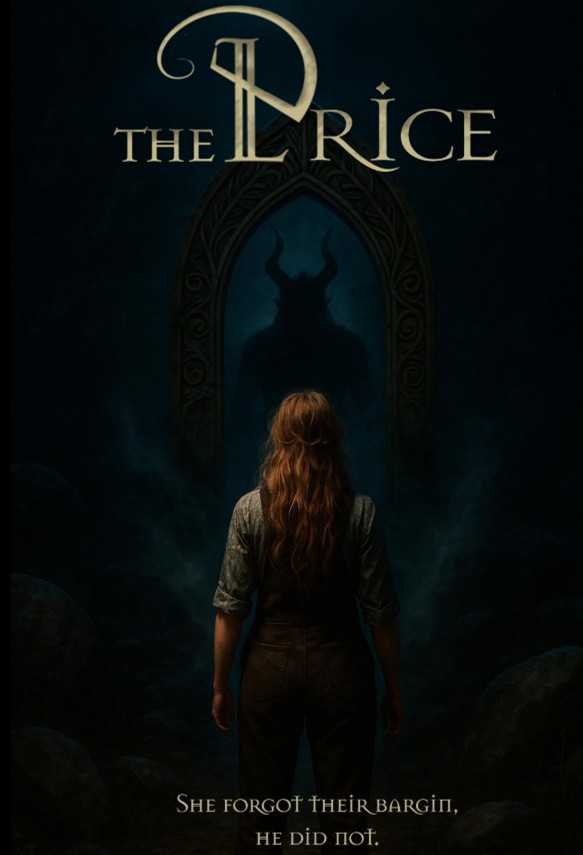
The Price, a sci-fi/fantasy short by Lisa Wordell, is one of the most highly anticipated films of this year’s festival.
Shorts are divided into genres: animation (one block), comedy (three blocks), documentary (six blocks), drama (seven blocks), horror (three blocks), sci-fi/fantasy (three blocks), suspense/thriller (three blocks) and student projects (seven blocks).
“We try to run a well-rounded festival,” says Executive Director Brendon Rogers. “So we have a lot of variety.”
In addition to films, the event will feature networking events (with food and drink) in the cinema lobby, a filmmaking discussion panel hosted by Orlando entertainment icon Tracy Frenkel (with filmmakers Tim Ritter, Bill Suchy, Fred Zara and Gerald Godbout III) on Friday at 11 a.m. and an awards ceremony on Sunday at 8 p.m.
Though no celebrity guests are expected, Bob Cook, who founded the event in 2006 and ran it for 12 years before handing it to Rogers, will be in attendance to accept a special award on Sunday. And if that’s not exotic enough for you, sugar gliders (small, nocturnal “gliding” marsupials) are expected to attend the screening of the short fantasy The Eden Trials (which features the animals) on Sunday at 1:25 p.m. What better way to celebrate independent cinema than with furry, flying possums?
Even more startling than airborne mammals is the fact that the festival received many submissions of films featuring generative AI, but all were rejected, according to Rogers. Going forward, Rogers says, CenFlo and other fests will continue to debate whether to accept these films and, if so, whether to screen them alongside human-created movies or in their own block.
A ticket to a single shorts block or feature costs $10, a one-day pass goes for $35, and a three-day pass will set you back $85. (A one- or three-day pass is required for parties and the awards ceremony.) For more information, visit CenFlo.us. And to learn about the festival’s history, go here.
© 2026 MeierMovies, LLC
Festival review

How to Sleep in the Cold
Quality of the films was a bit higher this year, likely because of the slighter larger number of submissions, which allowed for a slightly lower acceptance rate. However, among the more than two dozen shorts I saw, I can give a full endorsement to just one: How to Sleep in the Cold, which addresses the issue of homelessness in a unique way. It is directed by Fred Zara, written and produced by Daniel Wachs, and stars Wachs and Franny Titus.
But many other movies showed promise, including Jesse Foy’s Birthday Cake, Aaron Hose’s A City that Cares, Andrew Pritzker’s HomePlanet, David Guillermo Borges’s Kilele, Dale Metz and TL Westgate’s All the Money in the World, Justin Rettke’s Time to Kill, Sky Cole’s Moonglow, Makayla Wheeler’s Return of the Flamingos and Hunter Brothers’s The Superhero Project. And, as always, filmmakers enjoyed sharing their films with fellow filmmakers. (In general, this is a filmmaker-only festival, as the public rarely attends.)
For ratings of all the films I saw, visit the short-film lists here.